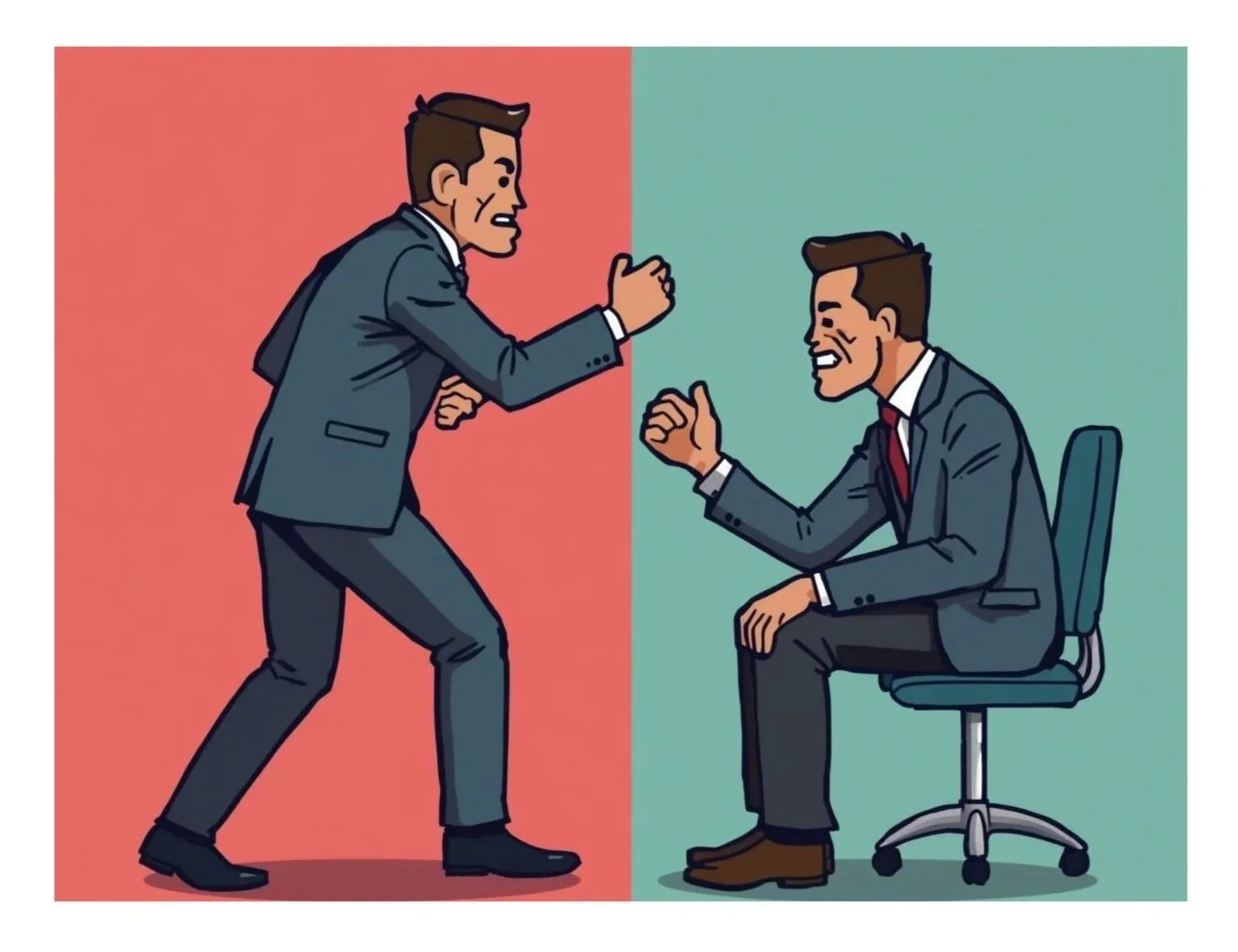
Is standing really better than sitting? Not always…
Courtesy of Kornegay Physical Therapy and Wellness, LLC.
We’ve all heard it: “Sitting is the new smoking—just stand more.”
But here’s what most people don’t realize:
Standing isn’t automatically better. It depends entirely on how you’re standing.
In fact, poor standing posture may be one of the most overlooked contributors to chronic low back pain.
The Hidden Problem: You Might Be “Hanging” on Your joints
Take a moment and check in with how you’re standing right now:
Are your knees locked out?
Is your weight shifted forward into your toes?
Does your low back feel arched or tight?
If so, you’re likely in a toe-weighted posture—and your body is relying on something it shouldn’t.
Instead of using muscles for support, you are hanging on your ligaments and joints.
What Happens When Your Weight Is on Your Toes
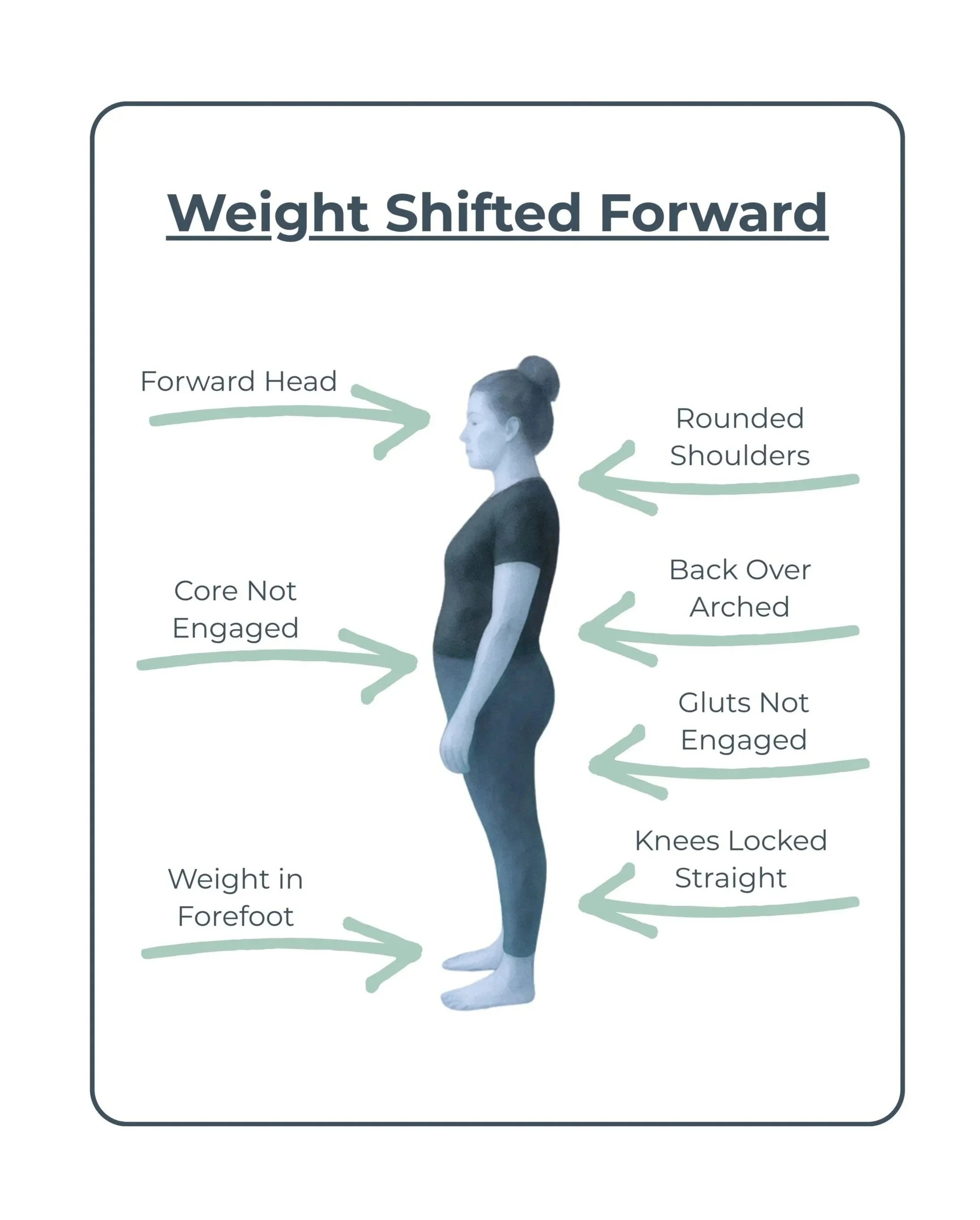
When your weight shifts forward, your body compensates in predictable ways:
Courtesy of Kornegay Physical Therapy and Wellness, LLC.
Predictable Issues
Mal-alignment
Weight in forefoot
Knees locked straight- Bad for knee joint longevity
Anterior pelvic tilt & Increased lumbar arch- Increases compression in the low back facet joints
Rounded shoulders- back for mid-spine and increases stress to the rotator cuff
Forward head posture- Causes upper neck tension and possibly tension headaches
muscle inhibition
Key stabilizing muscles become inhibited and weakened:
Core
Glutes
Deep postural stabilizers
Increased joint stress
Your body shifts load into passive structures, which can cause hypermobility and joint “wear and tear” over time, which leads to arthritis.
Ligaments
Facet joints
Joint capsules
*This is what we mean by “hanging” on your body instead of actively supporting it.
This Could Be the Missing Cause of Your Back Pain
If you experience:
Low back tightness with standing
Pain that builds throughout the day
Relief when you sit or shift positions
Your standing posture may be a major contributing factor.
When you consistently stand with your weight forward:
Your muscles aren’t doing their job
Your joints absorb repeated stress
Your nervous system adapts to inefficient patterns
Over time, this can lead to persistent or recurring low back pain, even if you’re otherwise active and healthy.
Why This Posture Feels Easy (But Isn’t Helping You)
Your body naturally seeks efficiency.
Standing with your weight on your toes and knees locked:
Requires very little muscular effort
Relies on passive support
Feels deceptively “relaxed”
But this comes at a cost: long-term joint strain and poor muscle engagement.
A Better Way to Stand
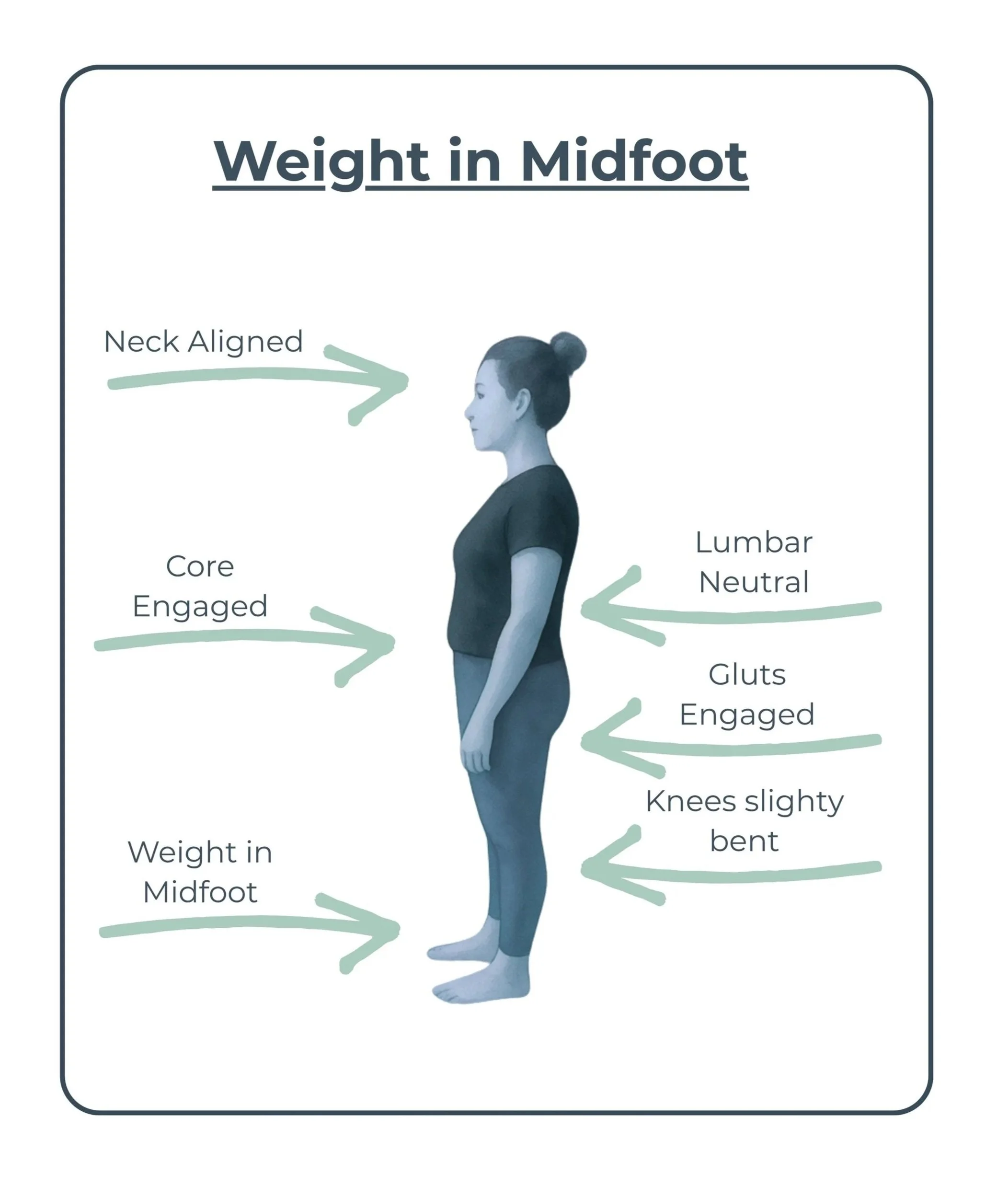
Now shift your weight slightly back so it’s more centered through your heels (not exaggerated or leaning).
Courtesy of Kornegay Physical Therapy and Wellness, LLC.
Here’s what changes
Improved alignment
Weight in midfoot
Knees “unlocked”- Engages your quads and hips, and taking stress of your joints.
Neutral pelvis and lumbar spine- Takes stress off joints and ligaments, naturally engages core and back stabilizing muscles
Neutral shoulder and neck alignment- Takes stress off joints and ligaments, naturally engages spine and neck muscles.
muscle activation
Key stabilizing muscles become reengaged and overtime stronger! This takes stress off your joints
Core
Glutes
Deep postural stabilizers
upper back and postural muscles
Better alignment for your rotator cuff to work appropriately.
Think of It This Way
Toe-weighted posture = passive support (hanging on joints)
Heel-centered posture = active support (muscles doing their job)
One creates strain. The other builds resilience.
Why This Matters Long-Term
Posture isn’t about perfection—it’s about repetition.
When you consistently stand with better alignment:
You retrain your movement patterns
You build strength in postural muscles without extra workouts
You reduce cumulative stress on your joints and spine
Over time, your body adapts in a positive way.
Quick Self-Check
Try this:
Stand upright
Shift your weight forward into your toes
Then shift it back so it’s centered toward your heels
Ask yourself:
Where does your low back feel more supported?
Where do you feel more muscle engagement?
That second position is your starting point.
The Takeaway
Standing more is not the goal.
Standing better is.
If you’ve tried standing desks or spending more time on your feet but still have discomfort, your posture may be the missing link.
Want Help Figuring It Out?
If you’re dealing with ongoing back pain, a movement assessment can identify:
How you stand
How you move
What your body is compensating for
From there, you can build a plan that actually addresses the root cause.